Medtronic Spark is propelling 1 million students globally into health tech careers over the next 10 years.


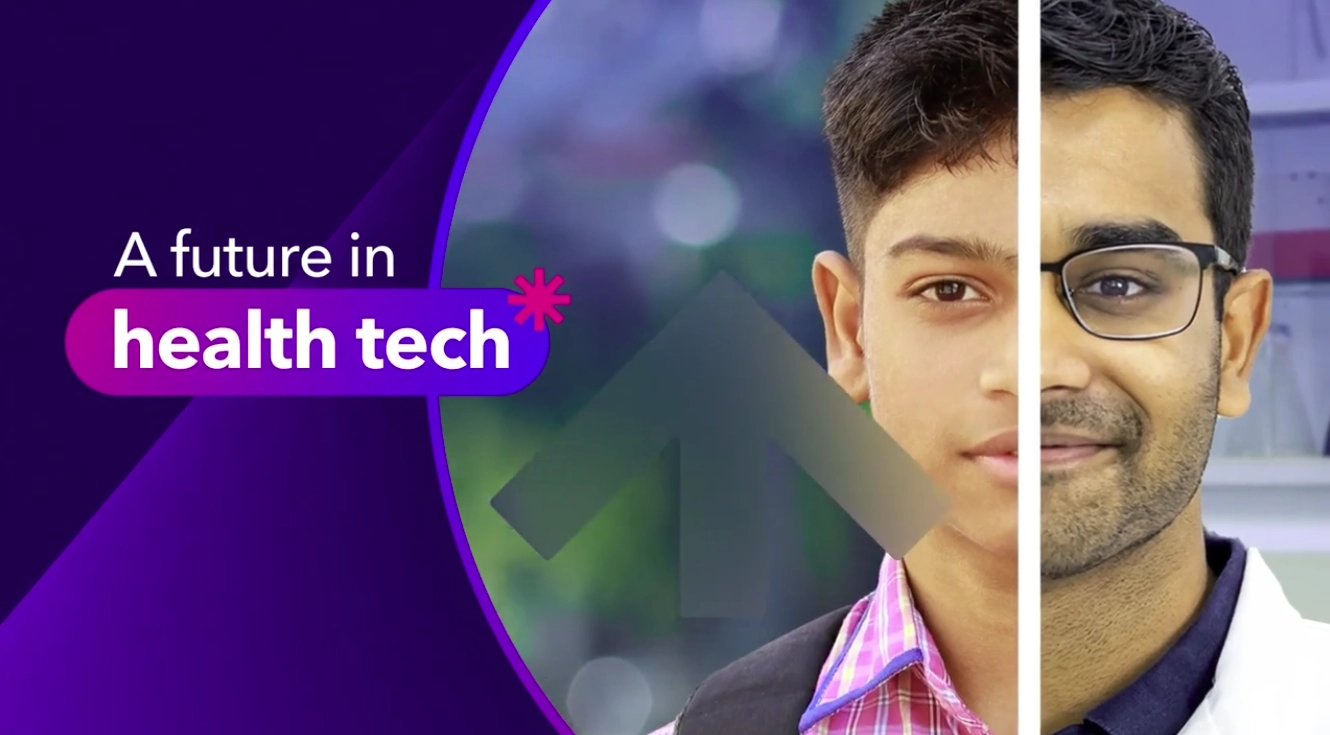
The future ishealth tech.

Your future starts today.
Sign up to stay connected with hands-on learning, credentials and scholarship opportunities.
Medtronic Spark was developed to create pathways to health tech careers for students around the world.
One in a millionstarts here:
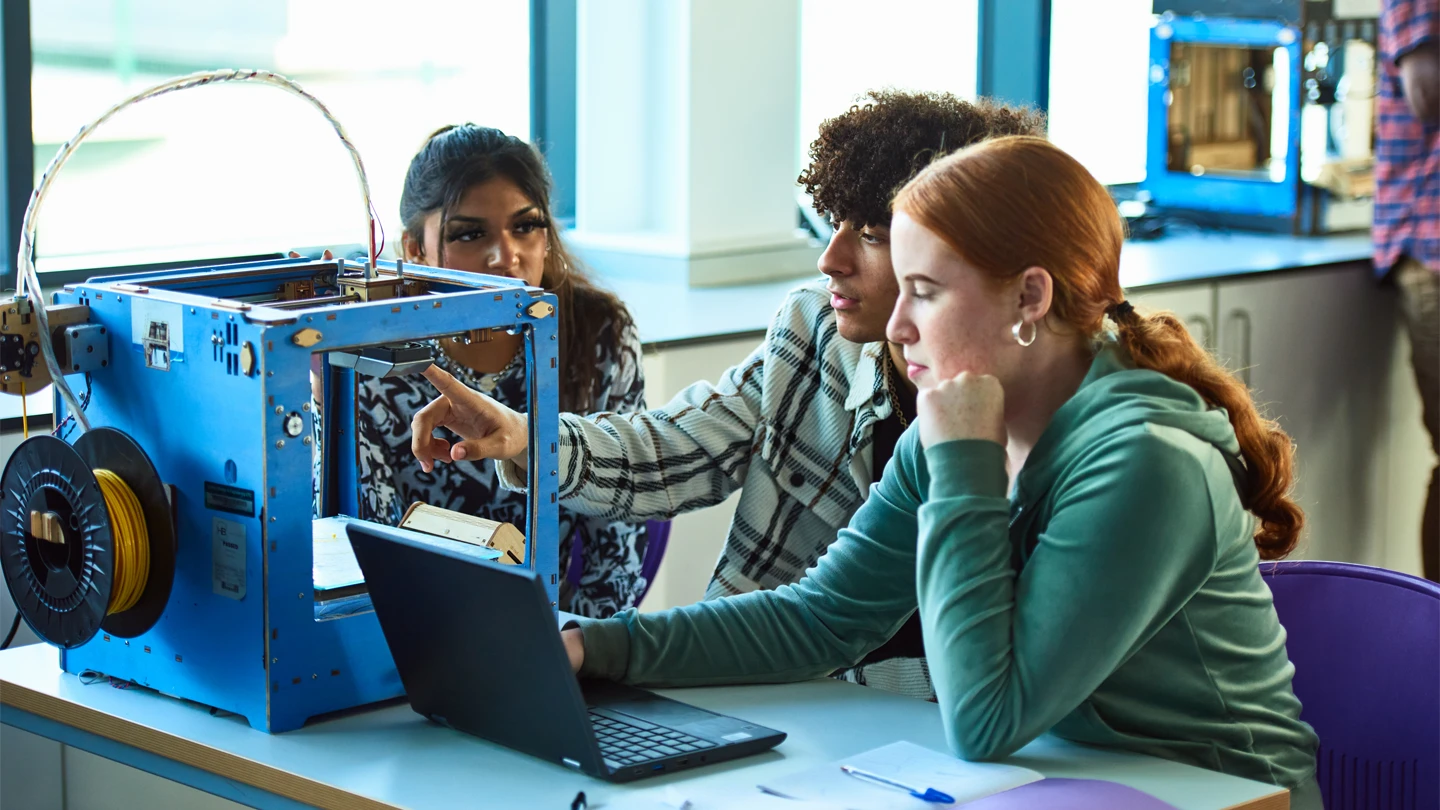
Hands-onhealth tech.
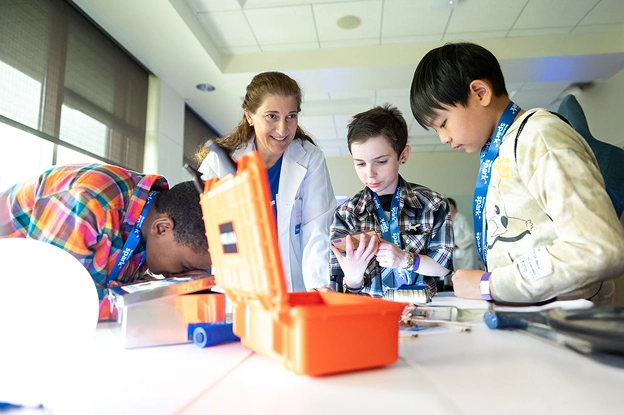
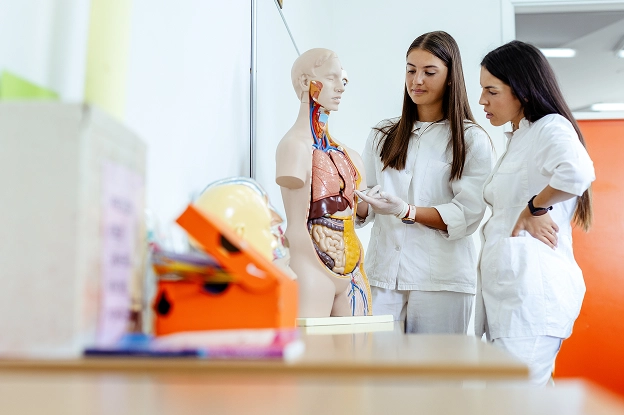
Inspire students’ interest in health tech careers and “innovator identity” through hands-on exploration of human body design and health tech concepts.

Your future.Supported.
Removes financial barriers and provides support services for students pursuing health tech degrees.
Upgrade skills.Unlock careers.
Expand immediate employment opportunities by offering access to free credentials in health tech.

What we’reup against:
4.3 million
tech job shortage expected
by 2030.
by 2030.
Source: Deloitte Insights, 2023
11 million
projected shortage of healthcare workers by 2030.
Source: WHO
65%
of students will work
in jobs that do not
currently exist.
in jobs that do not
currently exist.
Source: Deloitte Insights, 2023
63%
of employers cite skill
gaps as a
major barrier.
gaps as a
major barrier.
Source: World Economic Forum, 2025
4.3 million
tech job shortage expected
by 2030.
by 2030.
Source: Deloitte Insights, 2023
11 million
projected shortage of healthcare workers by 2030.
Source: WHO
65%
of students will work
in jobs that do not
currently exist.
in jobs that do not
currently exist.
Source: Deloitte Insights, 2023
63%
of employers cite skill
gaps as a
major barrier.
gaps as a
major barrier.
Source: World Economic Forum, 2025
There’s a gap between what students learn and what the world needs.
And education isn’t evolving fast enough to meet students where they are.
42%
of high school students engage
in hands-on STEM
activities.
in hands-on STEM
activities.
Source: K-12 Dive, 2023
20%
of students are prepared for college-level STEM courses.
Source: World Economic Forum, 2025
11%
of students from low-income households who receive financial help complete their degrees.
Source: Jobs for the Future
42%
of high school students engage
in hands-on STEM
activities.
in hands-on STEM
activities.
Source: K-12 Dive, 2023
20%
of students are prepared for college-level STEM courses.
Source: World Economic Forum, 2025
11%
of students from low-income households who receive financial help complete their degrees.
Source: Jobs for the Future